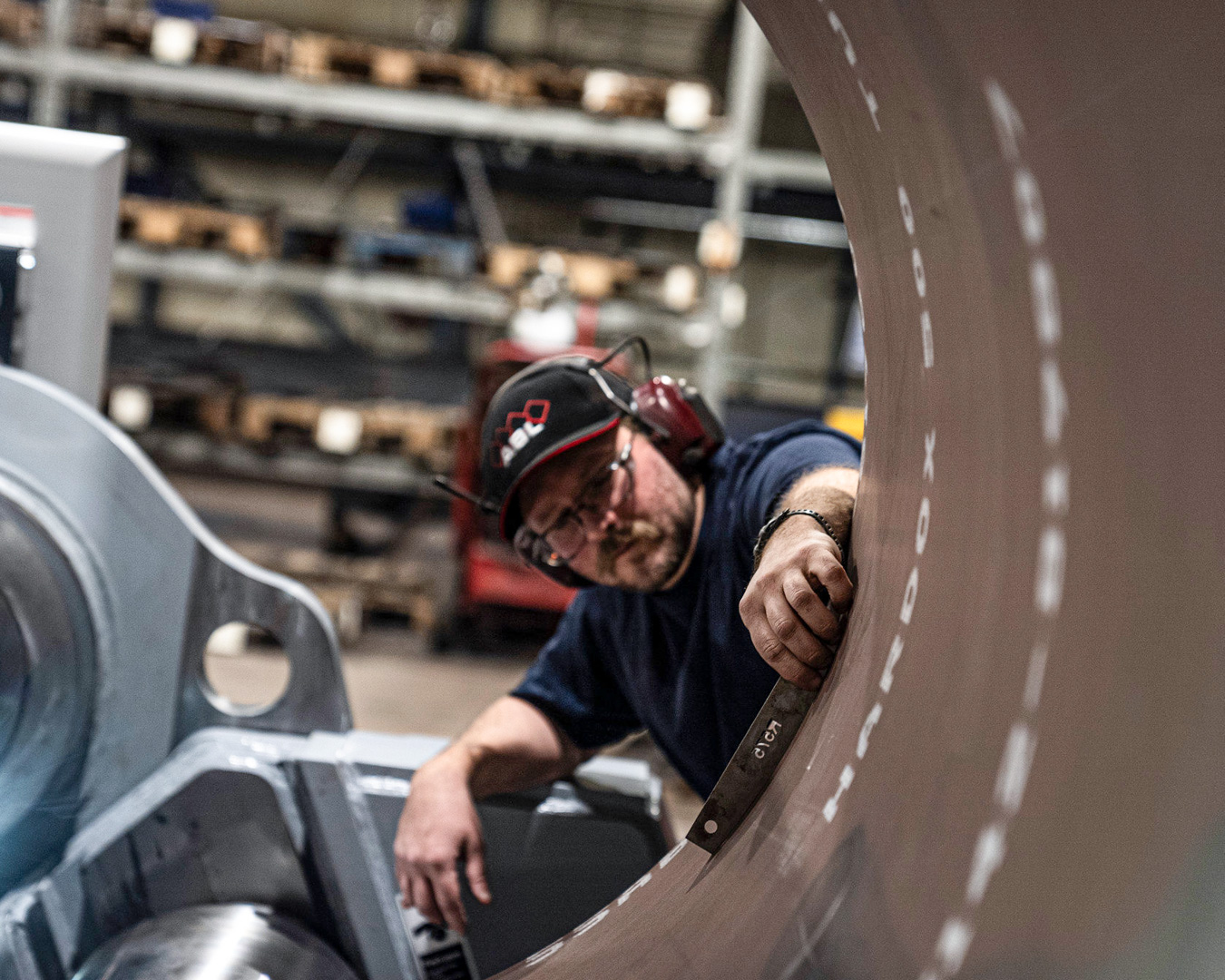
Forming knowledge

Roll bending is one of the most versatile metal forming processes in heavy industry – and one of the least documented. This section explains the methods, materials, and applications behind plate rolling, section bending, and tailored forming. What each process does, what parts it produces, and when to use it.

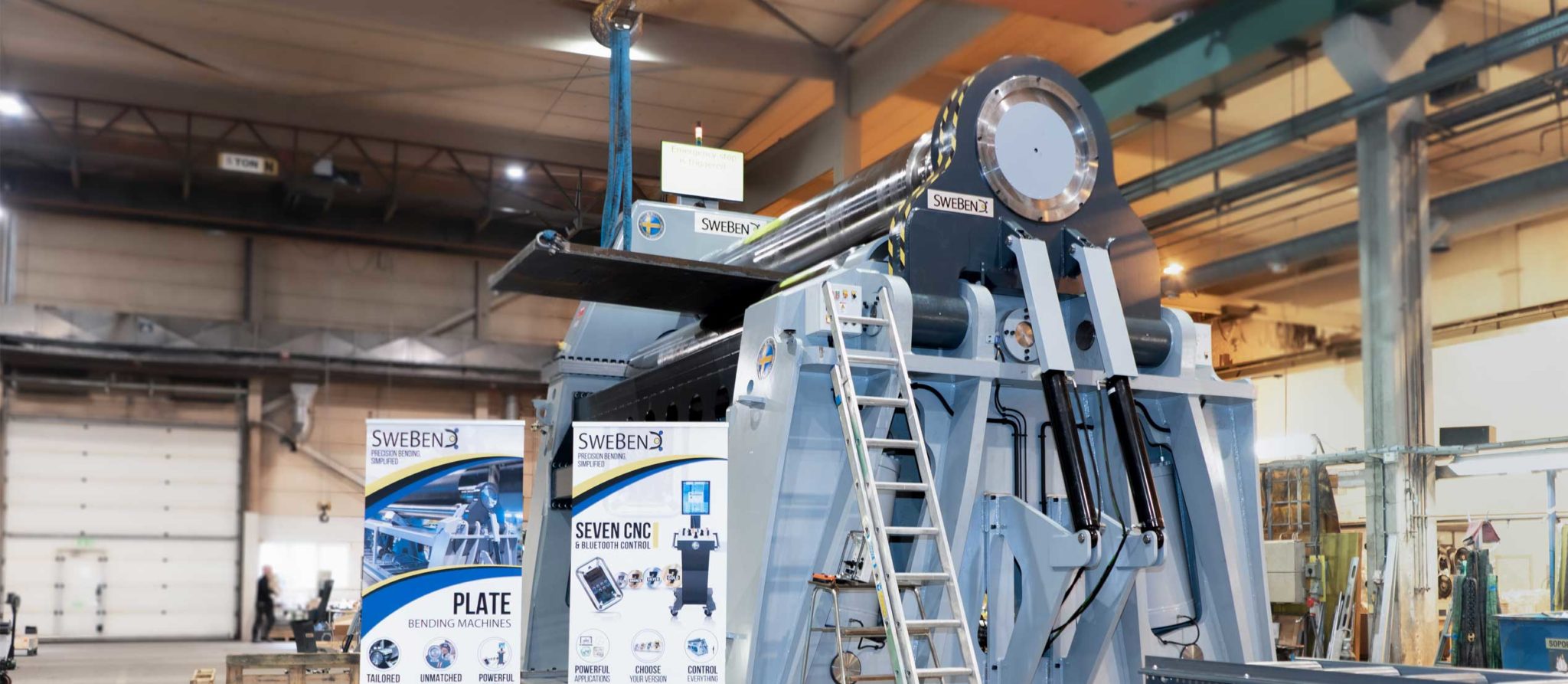
  • Section Bending

    On curving structural profiles - beams, channels, angles, tubes, and custom extrusions - for architecture, infrastructure, and industrial applications. How cross-section geometry affects the process and what to consider when specifying curved sections.

  • Plate Rolling

    Learn what drives capacity, precision, and minimum bending diameters across material grades and thicknesses when forming plates into cylinders, cones, and complex curvatures for pressure vessels, tanks, and structural components.

  • Process

    From flat material to finished curve. How roll bending works in practice: material feed, roll positioning, multi-pass sequences, and the factors that separate a precise bend from an expensive scrap piece.

  • Roll bending

    How three or four rolls apply progressive force to shape plate and profiles, and what determines the final geometry, the fundamental process behind curved steel structures: from cylindrical shells to large-radius arcs.